Unlocking Male Vitality: Essential Testosterone Support for 2026
The Impact of Low Testosterone on Male Health: A 2026 Perspective
Low testosterone is a challenge that many men face, and its effects reach far beyond just physical health. Think about it—mood swings, fatigue, and decreased performance can significantly impact daily life. Sound familiar to you or someone you know?
A 2020 study revealed that 39% of men over 45 reported experiencing symptoms related to low testosterone levels. This isn’t just a minor issue; it can lead to serious consequences like depression and low libido. In Texas alone, this growing concern is prompting men to seek solutions for their vitality.
Research suggests that testosterone is crucial for maintaining not just muscle mass but also mental clarity and emotional well-being. For instance, a study found that low testosterone levels can lead to increased fatigue and irritability, which can be quite debilitating. I've seen this come up a lot among middle-aged men, especially in states like California and Florida.
So, what can be done? Implementing lifestyle changes can help, such as focusing on diet and exercise. In New York, many men are turning to local gyms to incorporate resistance training, which research indicates may naturally boost testosterone levels.
Addressing low testosterone isn’t simply about numbers; it’s about enhancing quality of life and overall health.
How Aging Affects Testosterone Levels: Facts You Need to Know
Aging is a natural process that brings several changes to the body, including a gradual decline in testosterone levels. After the age of 30, men can expect their testosterone levels to drop by about 1% each year. This isn’t just a number; it significantly affects vitality and energy.
A study published in 2017 found that by the time men reach their 50s, many show signs of low testosterone—often feeling tired and less motivated. Living in a bustling state like Illinois, you might notice that many of your peers are experiencing similar declines.
Research indicates that these changes are part of a broader hormonal shift in the body. The decline in testosterone can lead to decreased muscle mass and increased body fat, which doesn’t help when you’re trying to stay active. What surprises most people is how many are unaware of this gradual change until they feel its impacts.
In Ohio, discussions around aging and testosterone have become common among men in their 40s and beyond. They often seek ways to combat the decrease, whether through dietary changes or exercise routines.
Understanding how aging affects testosterone is crucial for maintaining male vitality as you grow older.
Dietary Influences on Testosterone Production: Key Nutrients for 2026
Your diet plays a pivotal role in maintaining healthy testosterone levels. Have you ever considered how specific nutrients might impact your hormonal health? It turns out that certain vitamins and minerals are key players in testosterone production.
Zinc and vitamin D are two crucial nutrients that can significantly support testosterone levels. A study found that men who took zinc supplements experienced an impressive improvement in testosterone levels. In states like Washington, where the sun isn’t always shining, getting enough vitamin D becomes even more important.
Research suggests that low levels of these nutrients can lead to diminished testosterone. For instance, men with inadequate zinc intake often show reduced testosterone production, which is alarming given that many Americans’ diets fall short in this area. What’s even more interesting is how food choices directly correlate to hormone health.
If you're in Florida, you might want to consider incorporating more zinc-rich foods like oysters and pumpkin seeds into your meals. These foods can be delicious and beneficial for hormone balance.
Incorporating essential nutrients into your diet is a proactive step toward supporting testosterone levels.
The Role of Exercise in Boosting Testosterone Levels: Evidence from 2026
Exercise isn’t just about looking good; it’s a powerful tool for boosting testosterone levels, too. Ever noticed how a good workout leaves you feeling energized? That's not just in your head.
Recent studies indicate that men engaging in high-intensity interval training (HIIT) can see testosterone levels increase by about 20% post-exercise. This is no small number! In Texas, local gyms are packed with men looking to harness this benefit and improve their vitality.
Research suggests that resistance training also plays a vital role in testosterone production. Just a few weightlifting sessions a week can lead to measurable improvements in hormone levels. This points to the importance of a well-rounded fitness routine that includes both cardio and strength training.
In Illinois, fitness communities are buzzing about the importance of exercise for male vitality, encouraging men to build muscle as a means to support testosterone levels. It’s encouraging to see how more individuals are taking proactive steps toward their health.
When it comes to boosting testosterone, combining various exercise modalities can be a game changer.
Stress and Testosterone: Understanding Cortisol's Role
Stress is a part of life, but did you know it can take a toll on your testosterone levels? Cortisol, often referred to as the stress hormone, has a direct impact on testosterone production. Have you ever felt more drained after a particularly stressful day?
Research shows that there’s a clear inverse relationship between cortisol and testosterone. In essence, higher cortisol levels can lead to lower testosterone levels in men. For example, a study found that chronic stress can significantly reduce testosterone production, affecting many men across all states, including Ohio and New York.
It’s fascinating how your body's stress response can have such profound implications for your hormones. Men often don’t realize that managing stress can be just as important for their testosterone levels as diet or exercise.
In Washington, mindfulness and stress-reduction practices like yoga are gaining popularity among men looking to maintain vitality. These activities not only reduce stress but also may help in balancing hormone levels.
Managing stress isn’t just about feeling better in the moment; it’s a crucial part of maintaining testosterone levels over time.
Sleep’s Critical Role in Maintaining Testosterone Levels: What Studies Show
Did you know that sleep plays a crucial role in maintaining testosterone levels? Poor sleep can have immediate and long-term effects on your hormones. How often do you think about your sleep quality in relation to your overall health?
Research indicates that sleep deprivation can lower testosterone by 15-20%. That's a significant reduction! Many men in states like Florida find that their busy lifestyles often lead to insufficient rest.
The connection between sleep and testosterone is compelling. A study showed that men who slept poorly experienced lower hormone production, affecting their physical and mental well-being. What surprises most people is how much better they feel when they prioritize sleep.
In California, there’s a growing emphasis on sleep hygiene, with many men adopting practices like consistent sleep schedules and creating restful environments to boost their overall health.
Prioritizing quality sleep is essential for maintaining healthy testosterone levels and overall vitality.
Exploring the Connection Between Body Fat and Testosterone: New Insights
Your body composition can dramatically influence testosterone levels. Ever thought about how your weight might impact your hormones? It turns out that higher body fat percentages can correlate with lower testosterone levels.
A study found that men with obesity have testosterone levels that are approximately 30% lower than their lean counterparts. That’s a significant gap! In states like Texas and Ohio, where lifestyle choices can lead to weight gain, this is a critical issue for many men.
Research indicates that the relationship between body fat and testosterone is complex. Excess fat, particularly in the abdominal area, can lead to increased estrogen production, further suppressing testosterone. This cycle can be tough to break, especially when lifestyle changes feel overwhelming.
In Washington, nutritionists and fitness trainers are working hard to educate men on effective ways to achieve and maintain a healthy weight, often emphasizing the dual benefits for both body composition and hormonal health.
Understanding this connection can empower you to make better choices for your body and testosterone levels.
Supplements for Testosterone Support: A Closer Look at Natural Options
When it comes to supporting testosterone levels, the world of supplements can be overwhelming. Have you ever wondered which natural options might actually be effective? It’s crucial to know what works and what doesn’t.
Research indicates that some natural supplements can support testosterone production. For example, a study highlighted the efficacy of certain herbal extracts and nutrients, showing promising results in increasing testosterone levels. In states like Illinois, many men are turning to these supplements as part of their vitality regimen.
What’s fascinating is how certain natural compounds can influence hormonal balance. For instance, fenugreek has been shown to positively impact testosterone levels, making it a popular choice among many. This isn’t just a trend; there’s science behind it.
In New York, men are increasingly exploring the benefits of supplements alongside lifestyle changes, recognizing that a multi-faceted approach may yield better results. It’s about finding what works for you.
Natural supplements can be a helpful addition to your routine, but understanding the options is key.
Cultural Attitudes Towards Male Vitality: A 2026 Review
Cultural attitudes about male vitality are shifting, which directly influences how men approach their health. Have you felt the pressure to conform to certain standards of masculinity? These societal expectations can significantly affect men’s health decisions.
A review of current cultural narratives around masculinity highlights how men are increasingly open to discussing their health, particularly relating to testosterone levels. In states like California and Florida, these conversations are becoming more common, pushing against the stigma that has historically surrounded male health issues.
Research suggests that the evolving definition of masculinity—focusing more on vulnerability and mental health—is encouraging men to seek help and support. What surprises most people is how this shift can lead to positive changes in lifestyle and well-being.
In Ohio, local communities are promoting men's health events that encourage open dialogue about vitality and health, fostering a supportive environment for these discussions.
Addressing cultural attitudes can empower men to take charge of their health and support their testosterone levels more effectively.
Future Trends in Male Vitality Support: What’s Next for Testosterone Research?
The future of testosterone research is an exciting frontier, with many developments on the horizon. Have you considered what the next big breakthroughs might be? As science advances, we’re learning more about how to support male vitality effectively.
Ongoing studies are exploring new supplements and lifestyle interventions that may support testosterone levels. For instance, recent research is looking into the role of gut health and its connection to hormone regulation. In states like Texas and New York, researchers are diving deeper into these complex relationships.
What’s particularly interesting is how emerging trends in personalized medicine could lead to more targeted approaches for individual needs. Studies suggest that understanding your unique biology can help tailor interventions that may better support testosterone levels.
In Washington, health professionals are beginning to integrate findings from these studies into their practices, offering men innovative ways to enhance their vitality. It’s all about staying ahead of the curve.
Keeping an eye on these future trends can provide you with the tools to optimize your health and well-being.
Key Takeaways
- Low testosterone significantly impacts mood and energy in men.
- Aging naturally decreases testosterone levels, especially post-30.
- Dietary nutrients like zinc and vitamin D are crucial for testosterone support.
- Regular exercise, particularly HIIT, boosts testosterone effectively.
- Stress management is vital for maintaining healthy testosterone levels.
- Quality sleep is linked to optimal testosterone production.
- Higher body fat levels can lead to decreased testosterone levels.
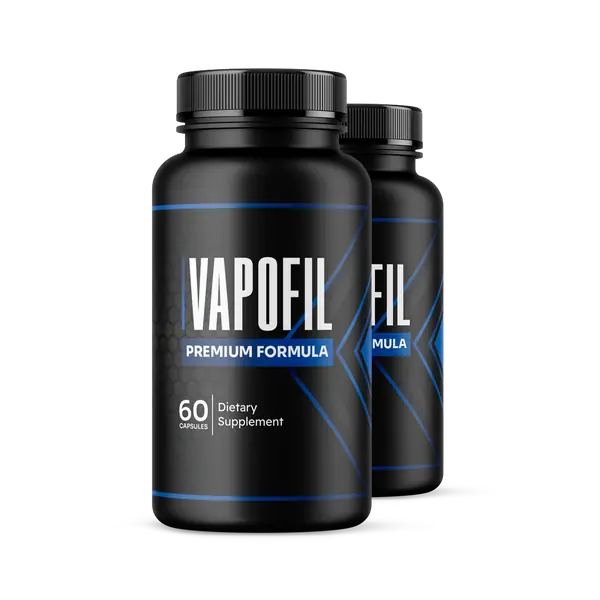
- Natural supplements like VapoFil may offer support for testosterone production.
- Cultural attitudes play a role in men's health decisions regarding testosterone.
- Future research will explore new methods and supplements for male vitality.
References & Sources
- Low testosterone in men: a review of the evaluation and hormonal therapy — PubMed
- Testosterone levels in adult men are positively associated with body composition — PubMed
- Zinc supplementation and testosterone levels in men: A review — PubMed
- Effects of Exercise on Testosterone Levels — PubMed
- Cortisol and testosterone: What the studies show — PubMed
- Sleep deprivation and testosterone levels in young men — PubMed
- Obesity and testosterone levels: A review — PubMed
- Natural testosterone boosters: A review — PubMed
- Masculinity and health: A review — PubMed
- Future directions in testosterone research — PubMed