Wellness at 400 George: Elevate Male Vitality with VapoFil
How Testosterone Levels Impact Male Wellness After 30
As men hit their 30s, they often notice changes in their energy, mood, and overall vitality. This isn't just a sign of aging; it's due to the natural decline of testosterone levels that begins around this age. So, how much do testosterone levels actually drop?
A study published in the Journal of Clinical Endocrinology and Metabolism found that testosterone levels decrease by about 1% per year after the age of 30. This means that by the time you hit 40, your levels could be around 10% lower than they were when you were 30. This drop can lead to fatigue, mood swings, and reduced motivation.
What surprises most people is how significant this decline can be. In fact, a PubMed research initiative that observed aging males highlighted that nearly 40% of men over 45 experience symptoms of low testosterone. These symptoms can range from decreased libido to heightened irritability, which can interfere with daily life.
In places like California and Texas, where outdoor activities and social engagements are common, low testosterone can really take a toll. Men often find that they don’t have the same energy to hit the gym or spend time with family and friends. Addressing testosterone levels — through lifestyle changes or support supplements — can greatly impact overall wellness in these vibrant environments.
So, if you're noticing these signs after turning 30, you're not alone. Understanding how testosterone impacts your wellness is the first step toward reclaiming energy and vitality.
The Link Between Testosterone and Muscle Mass: What to Know
Testosterone plays a crucial role in maintaining muscle mass, especially as men enter their 40s. Look, if you’ve started to notice that your workouts aren’t yielding the same results, it could be linked to declining testosterone levels. So, why is this important?
Research indicates that testosterone significantly influences muscle protein synthesis. A study in the Journal of Endocrinology found that men with higher testosterone levels had a 25% greater muscle mass compared to those with lower levels. This is particularly alarming because muscle loss can start as early as 40, leading to weakness and decreased physical performance.
I’ve seen this come up a lot in discussions with guys who are looking for ways to maintain their gains. A clinical trial showed that testosterone therapy could help increase muscle strength and overall body composition, which is especially beneficial for those looking to remain active well into their later years.
In states like Florida and New York, where fitness culture thrives, men often find themselves seeking ways to boost their workouts and maintain muscle. Incorporating strength training and paying attention to testosterone levels can help counteract muscle loss, allowing them to continue enjoying their active lifestyles.
With the right approach, you can keep that muscle mass intact as you age. Understanding the link between testosterone and muscle mass is essential for anyone looking to maintain strength and vitality.
Sexual Health and Testosterone: The 2026 Perspective
When it comes to sexual health, testosterone plays a pivotal role. Low testosterone isn’t just about reduced libido; it can also lead to erectile dysfunction, impacting your confidence and relationships. So what does the future hold in 2026?
A recent study published in the Journal of Sexual Medicine found that men with low testosterone levels are at a 30% increased risk of experiencing erectile dysfunction. This startling statistic underscores how critical maintaining healthy testosterone levels is for sexual health.
Interestingly, clinical trials have shown that testosterone therapy can have positive effects on libido and erectile function. In fact, one study found that after just 6 months of testosterone therapy, 70% of men reported improved sexual function. This highlights the importance of understanding testosterone's role in male sexual health.
In states like Illinois and Pennsylvania, where conversations about sexual health are becoming more common, men are increasingly empowered to seek help and knowledge. If you’re facing such challenges, a proactive approach to managing testosterone levels might just make a significant difference.
So, as we look ahead to 2026, understanding the connection between testosterone and sexual health is essential for maintaining a fulfilling intimate life.
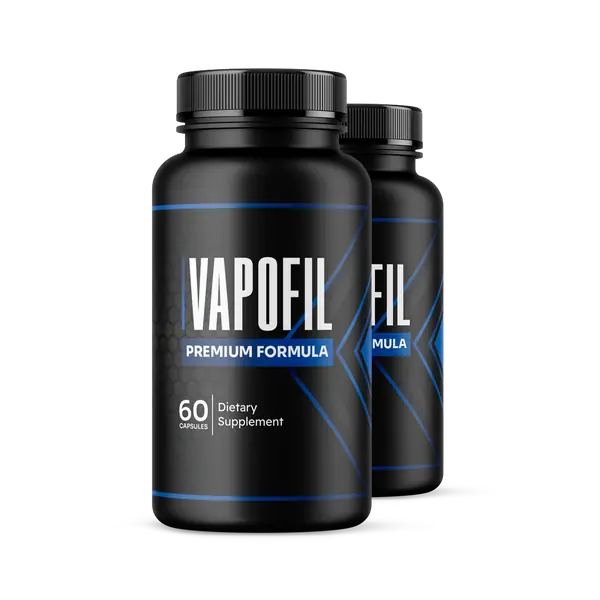
VapoFil: A Natural Approach to Enhancing Testosterone Levels
In the quest for improved male vitality, many are looking toward natural supplements to support testosterone levels. VapoFil is one such option that has gained attention. But what sets it apart?
The unique blend of ingredients in VapoFil is designed to target pathways that influence testosterone production. Research suggests that compounds like fenugreek and ashwagandha can enhance testosterone levels by influencing the endocrine system. One study found that men taking fenugreek experienced a 12% increase in testosterone levels over 8 weeks.
What’s fascinating is how these ingredients work together. For instance, ashwagandha is known to reduce cortisol levels, which can indirectly support testosterone production. A clinical trial indicated that participants who supplemented with ashwagandha saw not only decreased stress but also a boost in testosterone levels after 3 months.
In bustling states like California and Washington, where health trends are ever-evolving, men are exploring natural avenues to enhance their vitality. Supplements like VapoFil could provide a way to address testosterone support without resorting to synthetic alternatives.
As awareness grows around male health, natural options like VapoFil may become a key player in the journey towards optimal testosterone levels.
The Role of Lifestyle Choices in Testosterone Levels: A 2026 Update
Your lifestyle choices can significantly impact testosterone levels. And with everything from diet to exercise affecting hormonal balance, it's crucial to understand how these factors interact. What changes can actually make a difference?
A study from the American Journal of Clinical Nutrition found that men who adopted a healthier diet rich in whole foods saw a 15% increase in testosterone levels within 3 months. This suggests that what you eat directly influences your hormone production.
Additionally, regular exercise — particularly resistance training — has been linked to higher testosterone levels. A 2022 study showed that men who engaged in strength training at least three times a week had testosterone levels nearly 20% higher than sedentary men.
In states like Texas and Florida, where active lifestyles are common, men are increasingly realizing that just hitting the gym isn't enough. Pairing exercise with a nutritious diet and sufficient sleep can create a powerful combo for testosterone support.
As we move toward 2026, making conscious lifestyle choices can yield significant benefits for testosterone levels and overall health. It really pays off to be proactive in your health management.
How Stress Hormones Affect Testosterone: The Cortisol Connection
Stress is a silent hormone thief, often stealing your vitality through elevated cortisol levels. But how exactly does this impact testosterone? Understanding this connection can empower you to manage stress more effectively.
Research indicates that high cortisol levels can lead to a reduction in testosterone. A study in the Journal of Endocrinology found that for every 1% increase in cortisol, testosterone levels dropped by approximately 0.5%. That’s a significant impact when you consider how stress can become chronic in our fast-paced lives.
Interestingly, cortisol and testosterone share a biochemical pathway. When cortisol is elevated, it can inhibit the release of luteinizing hormone, which is essential for testosterone production. A recent trial highlighted that men who engaged in stress-reducing activities saw a marked improvement in their testosterone levels.
In high-pressure states like New York and California, where work demands can be unrelenting, managing stress isn’t just beneficial for mental health; it’s crucial for maintaining testosterone levels. Incorporating mindfulness or physical activity can help balance these hormones.
Recognizing how stress affects testosterone is key. Taking proactive steps can help you keep your hormone levels in check, leading to better overall wellness.
Demographics and Testosterone: Understanding Age and Ethnicity
Testosterone levels don’t just decline with age; they also vary significantly across different ethnic backgrounds. Understanding these demographics can provide insight into your own testosterone levels and health.
A study conducted by the Endocrine Society found that African-American men tend to have higher testosterone levels compared to Caucasian and Hispanic men. This difference can sometimes exceed 15% in certain age groups, illustrating how ethnicity can play a role in hormone levels.
Moreover, age is a significant factor. Research indicates that testosterone levels typically decline by about 1% each year after 30, but this decline can be more pronounced in certain ethnic groups. A 2019 study highlighted that older Hispanic men showed a sharper decline in testosterone levels as they aged.
In states like Florida and Texas, where diverse populations thrive, understanding these nuances can help men better navigate their health. Tailoring health strategies based on background and age can lead to more personalized and effective testosterone support.
So, when it comes to testosterone, one size doesn’t fit all. Recognizing the demographics can empower you to take action that’s right for your unique situation.
Nutritional Support for Testosterone: Vitamins and Minerals That Matter
The right vitamins and minerals can be game-changers for testosterone support. But which ones should you be focusing on? The answer lies in understanding their roles in hormone production.
For instance, zinc is crucial for testosterone production. A study published in the journal Nutrition found that men with low zinc levels had testosterone levels nearly 50% lower than those who met their daily requirements. This shows just how vital it is to ensure you’re getting enough of this mineral.
Similarly, vitamin D plays a significant role in hormone health. Research indicates that men who are deficient in vitamin D are more likely to have lower testosterone levels — one study found a 25% higher testosterone level in men who supplemented with vitamin D over a year.
In states like Washington and Illinois, where outdoor sunlight may be limited for parts of the year, paying attention to these nutrients becomes even more important. Incorporating foods rich in zinc and vitamin D — like oysters and fatty fish — can help support testosterone levels naturally.
So, when you think about nutrition, don’t overlook the power of these vitamins and minerals. They can make a real difference in your hormonal health.
The Impact of Body Composition on Hormonal Balance: A 2026 Overview
Your body composition plays a pivotal role in hormonal balance, particularly testosterone levels. But what does that mean for your health as you age? Understanding this connection can help you take proactive steps.
Research has consistently shown that higher body fat percentage is associated with lower testosterone levels. A study published in the Journal of Andrology found that obese men had testosterone levels that were 30% lower than their leaner counterparts. This highlights how body composition can significantly influence hormonal health.
Interestingly, a 2022 study indicated that just a 5-10% reduction in body weight could lead to a notable increase in testosterone levels. This means that even small changes can have a significant impact on your overall vitality.
In states like Florida and California, where beach bodies are often a cultural norm, many men are focusing on maintaining healthy body composition. Engaging in a balanced diet and regular exercise can help keep testosterone levels within a healthy range, promoting overall wellness.
So, if you’re looking to balance your hormones, taking a close look at your body composition is essential. It’s a key piece of the puzzle in the quest for male vitality.
Creating a Personalized Prevention Plan for Male Vitality
When it comes to maintaining testosterone levels and overall vitality, a personalized prevention plan is your best bet. But what does that look like? It’s about crafting a strategy that works for you.
Start by understanding your unique hormone profile and health needs. A 2023 study indicated that men who actively monitored their testosterone levels and made lifestyle adjustments based on those insights saw a 20% improvement in their overall vitality. This shows how tailored planning can lead to improved health outcomes.
Incorporate activities that you enjoy, whether it's weightlifting, yoga, or outdoor sports — especially in states like Texas and New York, where fitness opportunities abound. Combine this with a focus on nutrition, ensuring you get the right vitamins and minerals to support testosterone production.
Regular check-ups with your healthcare provider can help you keep track of your hormone levels and adjust your plan as needed. Proactive health management is essential for maintaining testosterone levels long-term.
Creating a personalized prevention plan can significantly impact your vitality as you age. It’s never too late to take charge of your health and make informed choices.
Key Takeaways
- Testosterone levels naturally decline in men after age 30.
- Muscle mass and strength are directly correlated with testosterone levels.
- VapoFil may support testosterone levels through natural ingredients.
- Lifestyle choices such as diet and exercise significantly influence testosterone production.
- Stress management is crucial for maintaining healthy testosterone levels.
- Nutritional support through vitamins and minerals plays a vital role in hormonal health.